

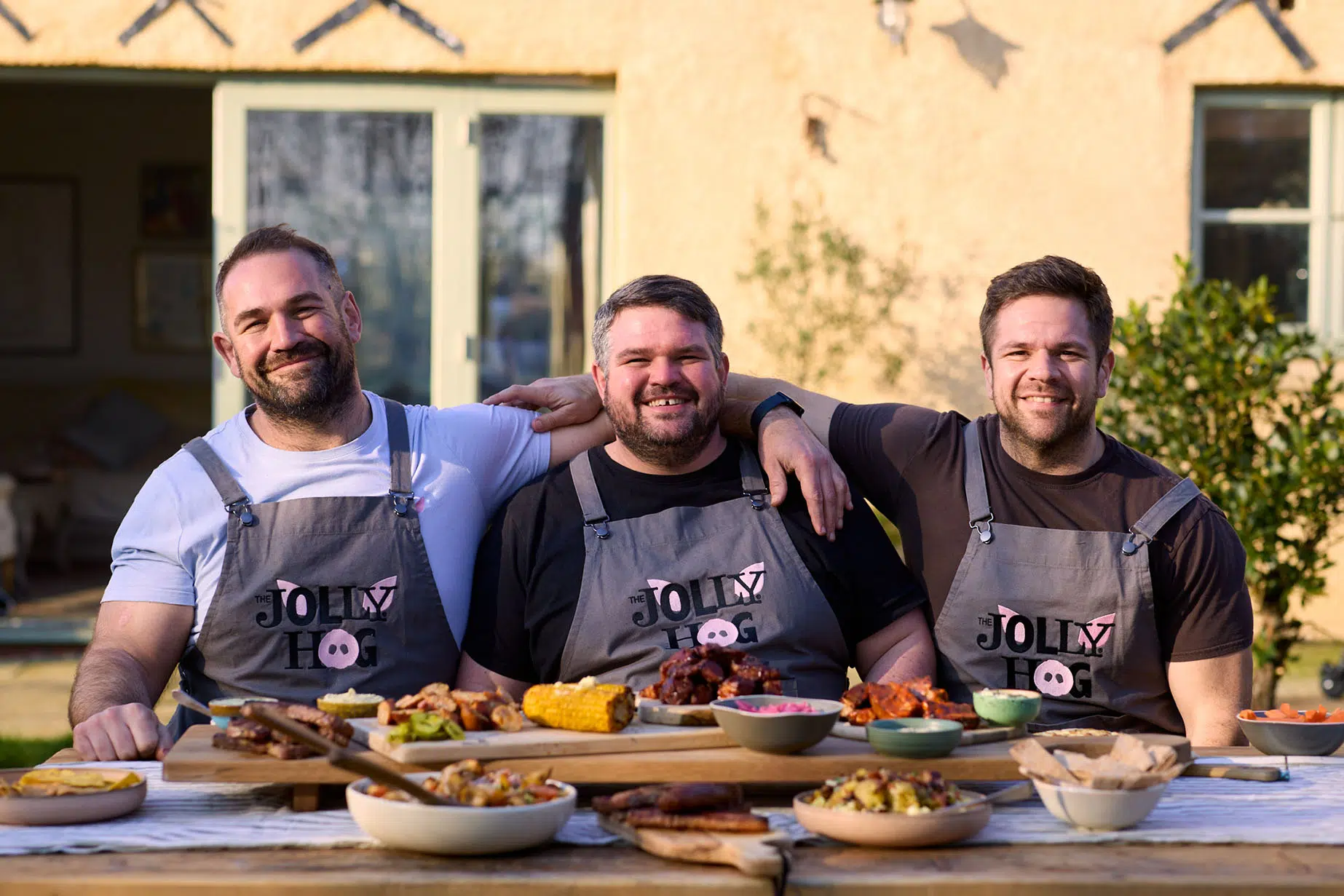
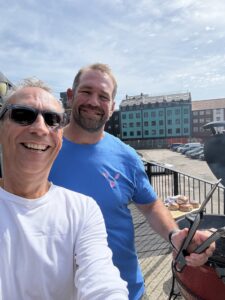
This week’s post is inspired by a visit to Jolly Hog HQ in Bristol, catching up with co-founder and Harlequins rugby legend Olly Kohn. I first posted on the sausage brand seven years ago. Back then, The Jolly Hog was still in the early days of evolving from an events based brand into a retail proposition. The brand started out selling sausages from event stands at Harlequins and other rugby grounds. This gave Olly and his two brothers a brilliant live test bed: cooking, serving and selling direct to hungry fans, then seeing instantly what worked. From there, The Jolly Hog evolved from a rugby-ground favourite into a serious retail brand, taking the same product quality and personality and appetite appeal onto supermarket shelves.
Since then, the brand has gone from strength to strength, with Olly telling me retail sales are now topping £40million and growing at c.20% year on year. Even more impressive, the growth has come without losing the founder-led energy, humour, quality focus and premium pricing that made the brand special in the first place.
1. IT ALL STARTS WITH THE CORE PRODUCT: SAUSAGE
The Jolly Hog, like most strong brands, is built on a great core product “sausage”. In this case, it is literally a sausage! The original recipe was refined through plenty of trial, error and tasting in the kitchen, driven by the simple ambition to make a better banger.
That product obsession still shows. The sausages have a high meat content, with no rusk or bulking agents, and use prime cuts of British, outdoor-bred pork. The sausages and bacon have both won Great Taste stars, giving the brand substance as well as sizzle.
Importantly, Olly and the team stayed focused in the early years. They built a strong core sausage business before stretching.
2. DESIGN A DISTINCTIVE IDENTITY
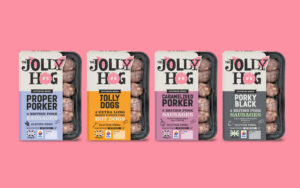
The Jolly Hog has strong shelf stand-out in a fixture often dominated by own-label and lookalike packs. One smart move, made when we first met back in 2014, was cutting the name down from the original “The Jolly Hog and Sausage” to the much simpler “The Jolly Hog”. Easier to say, easier to remember and much easier to build as a brand.
The identity also has a distinctive brand symbol, combining the name with the pig snout and ears. This is impactful and easily recognised. It also triggers associations with quality pork products.
3. TELL A STORY WITH SIZZLE
The brand has a brilliant human story at its heart: three brothers, Olly, Max and Josh Kohn, setting out to make jolly good food. That founder story gives the brand warmth, character and authenticity in a category where many products can feel anonymous. This is the emotional “sizzle” that works with and reinforces the product story.
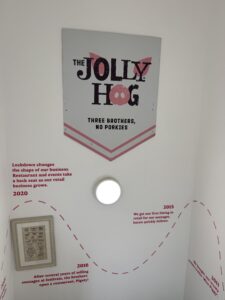
After one of our early meetings, I suggested a line to capture both the family story and the commitment to quality: “3 Brothers, No Porkies.” I was chuffed to see this is still part of the display on the office wall at Hog HQ (below), more than a decade later.
4. STRETCH SELECTIVELY
The Jolly Hog has stretched in a disciplined way, staying close enough to the core to feel credible. From sausages into bacon was a natural move, with strong product linkage. Bacon is also pork based and the two product are part of the duo of meat products in a classic full English cooked breakfast. From there, the brand has expanded into a wider range of high-welfare British pork products, including gammon, ham, pigs in blankets, pork shoulder and BBQ products.
More recently, the stretch has gone beyond pure meat cuts into jolly good quality traditional British pub food, including sausage rolls and Scotch eggs. This feels like smart brand growth: not a random leap into unrelated categories, but a widening of the Jolly Hog world around proper British food, big flavours and founder-led personality.
5. BE A SOCIAL BRAND
The Jolly Hog has also become a genuinely social brand, not just a brand that posts on social media. The team regularly shares entertaining and useful content, especially recipes tied to seasonal moments, from BBQ ideas to comfort-food dishes.
This is a nice example of what System1 call combining “salesmanship” and “showmanship”. The salesmanship is clear: here is a tasty product and a reason to buy it. The showmanship is the extra spark: humour, appetite appeal, founder personality and a sense of fun. The result is content that feels like it comes from a bunch of food-loving people, not a corporate content calendar.
6. USE CO-BRANDING TO DRIVE PENETRATION
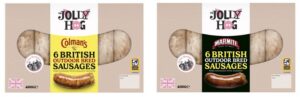
The recent limited-edition sausages with two iconic British brands, Marmite and Colman’s Mustard, are a clever way to drive penetration. Both brands bring instant recognition, Britishness and strong flavour cues. They also create a newsworthy reason for shoppers to notice The Jolly Hog again in a busy chilled aisle.
According to Olly, the collaborations have driven incremental penetration, with around 50% of buyers new to The Jolly Hog. That is the key to brand growth: not only selling more to loyal fans, but recruiting new buyers by creating fresh, distinctive reasons to try.
7. LEAD BY EXAMPLE
One little moment when I arrived at Jolly Hog HQ perfectly captured what “living the brand” really means.Olly wasn’t in a boardroom having a meeting. He wasn’t walking around supervising the team from a distance.
No, he was up on the roof terrace cooking breakfast: Jolly Hog bacon baps for the team on a barbecue! That simple act says more about the brand than any values poster could. It shows generosity, informality, food obsession and founder energy, all sizzling away in real life.
In conclusion, The Jolly Hog is a brilliant example of how to scale a distinctive brand whilst staying true to your roots: start with a great product sausage, wrap it in a distinctive story, stretch with discipline and keep the founders close to the food, the team and the customer.
