

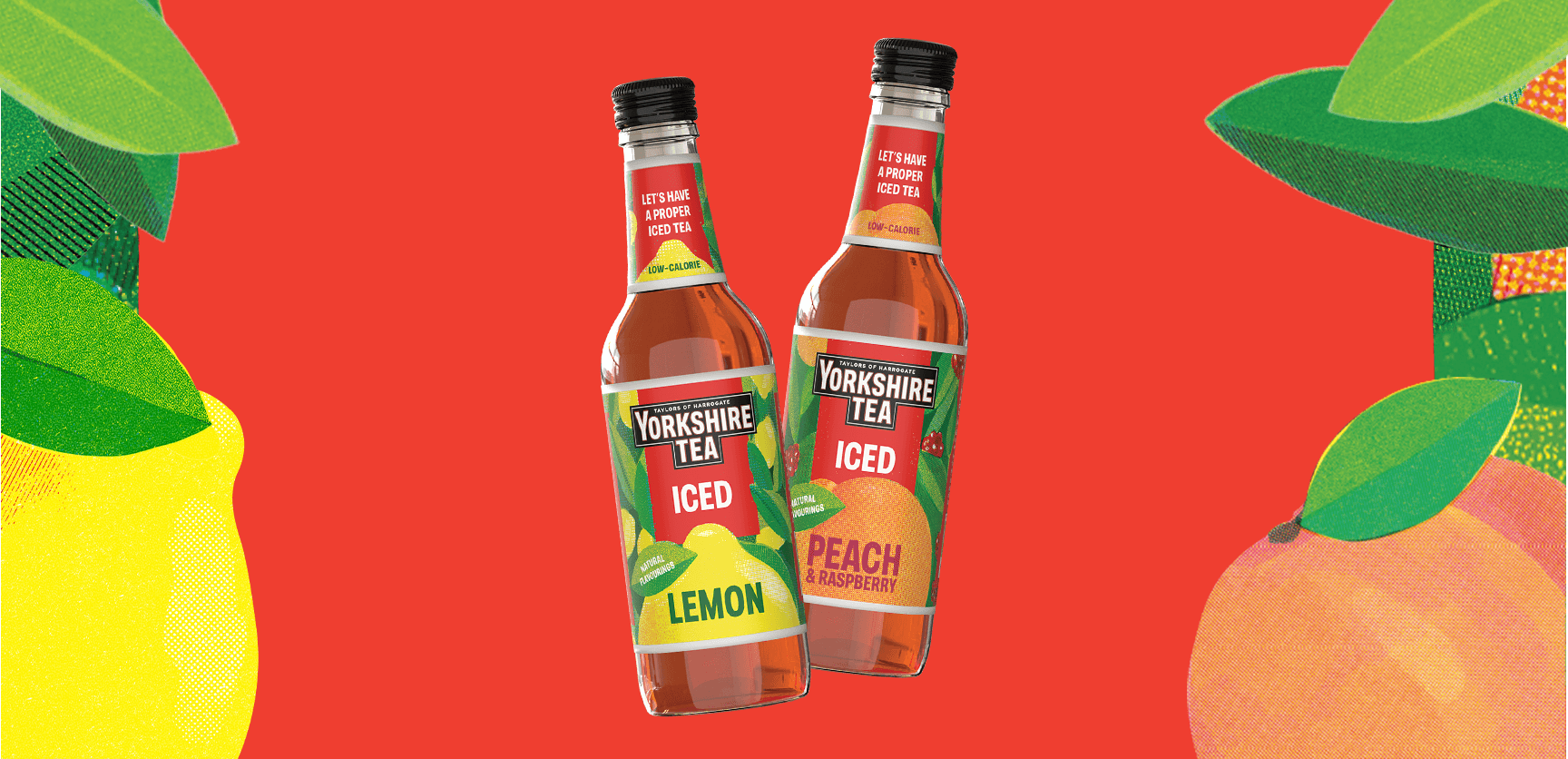
The recent brand stretch of Yorkshire Tea from black tea to iced tea caught my attention on Linked In this week. After an out-of-home launch last year in bottles, single cans are now being rolled out to Sainsbury’s stores. The cans are also available via Amazon and the brand’s own website. Stretching a brand is a tough job and the success rate is low. So, how is this new launch likely to fair? To help answer this question, we’ll apply the simple framework we use on brandgym projects.
[The data used is what I could find in the public domain using my own research. I would love to hear from anyone with more accurate data and will update this post if I do get any information!]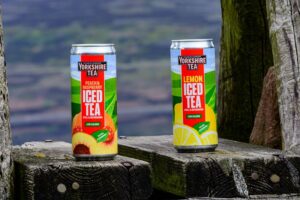
1.SIZE OF PRIZE – market attractiveness
The first thing to assess on any brand stretch initiative is the size of the prize. To do this, we first look at market attractiveness based on size, growth and competitive intensity.
The UK iced tea market is decent size at c. £190million, according to The British Soft Drinks Association (1). This is c. half the size of the standard tea market which is c. £400million according to the BBC (2). Importantly, iced tea is one of the fastest-growing soft drink categories in the UK (3), in contrast to standard tea which is in decline. “Standard black tea is in constant decline, the market itself has actually been shrinking,” observed Dom Dwight, former marketing director at Taylors of Harrogate, Yorkshire Tea’s parent company (4).
A key challenge for Yorkshire Tea could on Competitive intensity. The challenger is up against a strong global competitor in Lipton Ice Tea, which is has been growing strongly according to parent company Britivic (5).
2.SIZE OF PRIZE – concept and product
To complete the size of prize assessment, we look at concept appeal and product delivery.
On the concept side, the brand does have some relevant attributes that could add value in the category. It is the UK market leader so had a good reputation for taste and quality. It also has a strong masterbrand platform that it can leverage based on ‘properness’. With clear linkage to their Yorkshire roots, the brand has created a world “where everything’s done proper”, as we posted on here. The proper positioning has been leveraged for the iced tea stretch. The new drink has all natural flavours and is made with a bespoke black tea extract using the brand’s signature Gold blend.
From a packaging standpoint, the can format is distinctive, with metal packs only c.1% of the still drinks category (1). The format does also have transport and storage benefits. And it could have a sustainability image edge versus plastic bottles. However, I do wonder how attractive and aspirational the can design is versus Lipton’s bottle.
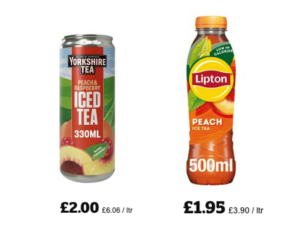
The brand has also taken its premium price strategy from black tea into the new market. Looking at retail prices in Sainsbury’s, Yorkshire Tea (£2 per 330ml) is priced at c. 50% more per ml versus Lipton (£1.95 for 500ml). This premium price should help Yorkshire Tea offer retailers a healthy profit margin according to the brand’s website (3). Being on the Sainsbury’s Meal Deal promotion helps make the brand more affordable and should help drive trial.
In terms of product delivery, I struggled to find any consumer reviews and have not yet had chance to try it. So, the jury is out for now on that count!
Taking all the above into account, a 10% share of the UK iced tea market could be a good target. This equates to around a quarter of the leading share it has in black tea. And this would give retail sales of c. £20million, representing c. 10% growth on 2025 reported retail sales of £192million. Pretty decent.
SIZE OF PRIZE: MEDIUM to HIGH
2.ABILITY to WIN
Marketers tend to be pretty good at estimating the size of prize for brand stretching. Where they often fall down is on assessing ability to win.
First, we consider whether a company has the capabilities to actually make and distribute the new product. Parent company Taylor’s of Harrogate is a coffee and tea company but has limited or no experience of making soft drinks as far as I could see. They could be getting round this via making and selling the product via a 3rd party.
Second, is there opportunity for scale economies and cost advantage? Here, there appear to be limited potential, given that Taylor’s of Harrogate has no other soft drinks.
Finally, we need to assess the ability to invest in the new product for the long run, not just at launch. Here, Yorkshire Tea Iced Tea scores medium. The brand is up against Lipton, who recently launched their new global platform, ‘Tea Changes Everything”. The brand plans to put its biggest investment in a decade behind this platform, with “hundreds of millions” in planned spend over the next two years according to global CMO April Adams-Redmond (6). However, Yorkshire Tea has does have higher levels of awareness, penetration, fame than Lipton Ice Tea and this could be a significant advantage
ABILITY to WIN: MEDIUM
3. ASSESSING the NEW LAUNCH
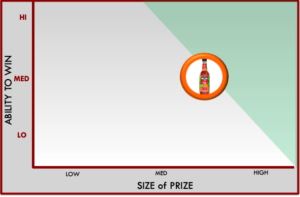
As strategic stretch, based on the above Yorkshire Iced Tea is a promising initiative (below). The Size of Prize is good and Ability to Win OK. It also has potential to drive brand awareness and could keep the brand dynamic and exciting by entering a new category. A challenge will be having sustained support to take on Lipton over the long term.
These potential returns do need to be assesses against the investment made. This is not just to do with return on investment (ROI). We also need to consider return on TALENT (ROT). The Yorkshire Tea team will have had to invest time in helping create the concept and reviewing the marketing mix, including the product and pack. And this needs to be weighed up against the return this investment of time and talent could get from focusing on the core.
In conclusion, the Yorkshire Iced Tea launch shows the need to asses a brand stretch not just in brand image terms, but also from a pragmatic business angle.
If you’d like to explore brand stretch in more detail, we offer a brandgym Academy short course on Brand Stretch here.
SOURCES:
(1) Iced tea market
(2) Tea market
