


As 2025 draws to a close, it’s time to look back at some highlights from the 50 blog posts we’ve published so far this year. We’ve picked the most popular post from each month, based on the number of views on Linked In. In this second of two posts we look at the top posts from July to November.
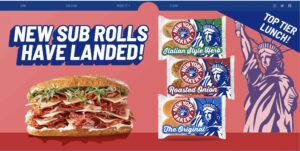
JULY: STRATEGIC BRAND STRETCH — NEW YORK BAKERY COMPANY
July’s top post was a a practical look at how to stretch a brand without stretching it to breaking point. Using Grupo Bimbo UK’s New York Bakery Company, we shared seven principles to beat the odds in brand extension. These included selecting adjacencies based on both “size of prize” and “ability to win”, anchoring everything to a clear proposition (“an authentic bite of the Big Apple”). We also reinforced two big rules that get ignored too often: choose ideas that “borrow and build” (take from the masterbrand and give back new energy/occasions), and never compromise on quality.
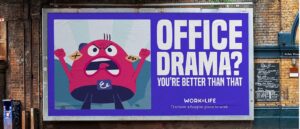
AUGUST: B2B MARKETING DOESN’T HAVE TO BE BORING — WORK.LIFE
In August we highlighted how Work.Life took on the “sea of blue” sameness in co-working by building a clear, insight-led positioning: “We remove the hard work from working happy.” From there, everything followed: a distinctive mix (bold, colourful cartoon style and punchy lines), plus real “sausage” underneath the “sizzle” — functional truths and service improvements that made the promise feel credible.
The post also introduced how to create “service signatures” (little distinctive moments that bring the brand to life), and using cultural moments to help cut-through accelerants (e.g. timely, on-brand posters tied to events). The result: major growth in spontaneous awareness and challenger-level impact without needing the biggest budget.
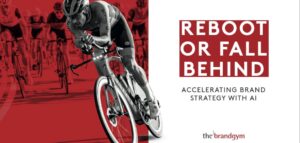
SEPTEMBER: ACCELERATING BRAND STRATEGY WITH AI — A REBOOTED PROCESS
September’s post focused on the impact of AI on brand strategy, drawing on our 18th annual research project. The big takeaway was the need to blend AI with human talent. Nearly half of respondents expect AI to take the lead on areas like culture/market analysis and concept writing/visualisation. However, human talent remain central for vision/ambition setting and alignment + action planning.
Most importantly, the post made the case that collaboration is becoming more valuable, not less: 63% see brand strategy workshops increasing in importance. AI can throw out huge volumes of variable-quality ideas that still need sharp humans to prioritise, blend and commit to. Our rebooted approach uses custom AI “tools” to save time in early/mid stages, while keeping workshops at the heart of ambition, idea selection, and action planning.
OCTOBER: BA’S NO LOGO AD — NONSENSE OR CREATIVE GENIUS?
October’s top post had over 10,000 views and lots of commented, prompted by our take on the questionable creative trend of brands hiding or cropping their logos. Using British Airways’ “engine” poster as the latest example of this, the post examined the theory (intrigue → puzzle → reward → positivity → talkability), then put it through brandgym’s REAL BRAnD lens: Get REAL and be Branded, Relevant and Amplified Distinctively.
In the real world, people in their busy lives process ads fast (system 1). So, we suggested that “hide the logo” ads risk becoming loved by ad-land but less effective at brand and business building. The post proposed that campaigns should tell a chapter of the brand story (fresh consistency), connect product truth to consumer needs (relevance), and use distinctive assets as shortcuts rather than removing them.

NOVEMBER: WORKSHOPS — WORTHWHILE OR A WASTE OF TIME?
This post talked to every marketer who’s ever suffered a “bad brainstorm with nice pastries”!. The core point: brainstorming meetings are often a waste of time — but workshops can be valuable if (big if) they’re properly designed, planned and facilitated. The post reinforced the earlier AI research finding that 63% expect workshops to become more important over the next 2–3 years, precisely because humans need to align, debate, prioritise and align.
Practical tips included: cast the right team (no passengers; c.12–15 people; a strong core group with ownership), invest in “insight fuel” weeks ahead, use parallel idea creation in smaller trusted groups, and facilitate friendly feedback that creates real listening and constructive “how to” tension (with Castle Lite’s “Republic of Extra Cold” as a great example of an idea evolving through the right conversation).

That’s a wrap for 2025. Pop back next week for the first post of 2026!
