

The idea of “brand love” is talked about a lot. Apple’s brand lovers create crazy queues when a new iPhone is launched. And Lego’s much-awaited Brick Conventions attracts crowds of brand fans. Brand Hate is also a powerful emotion and one its worth understanding. In this post, we look at what brand hate is, what can cause it and possible responses.
Post by Prasad Narasimhan, Managing Partner based in Bangalore, India
1. What is Brand Hate?
Brand hate is an intense, negative, enduring response that goes beyond mild dislike, experienced by consumers almost like a personal betrayal. It can trigger brand-rejection and anti-brand activism, all amplified on social media, turning isolated grievances into reputational crises. Consumer responses include ballooning negative word-of-mouth, organised boycotts and petitions and consumer retaliation behaviours like ridicule, parody, or deliberate negative publicity.
2. What triggers Brand Hate?
Here we look some potential triggers of brand hate to try and avoid. We use examples from India and around the world.
1. Product trust failures: Indian regulators found lead and MSG levels above permitted limits in samples of Maggi noodles. Panic, distrust and nationwide consumer rejection followed. Several consumers shared videos of them throwing away Maggi packs. Retailers pulled products from shelves. The government banned Maggi for nearly 5 months. Nestlé had to recall and destroy ~38,000 tonnes of noodles. Shares dropped from ~75–80% to near zero during the ban, and they have been able to claw back to only ~50%. Nestlé wrote off $50 million worth of stock and have spent big trying to regain trust.
2. Alienating your core consumers: Gillette’s “The best a man can be?” backlash in 2019 was triggered by an advert targeting toxic masculinity. This was deeply polarising and several brand loyalists were livid on social media. Gillette reported an 8% drop in sales in the next quarter and had to correct course urgently.
3. Cultural or religious sensitivities: Tanishq released a jewellery ad showing a Muslim family organizing a Hindu baby shower for their Hindu daughter-in-law. This ad faced a massive #BoycottTanishq trend on Twitter. The brand was accused of promoting “love jihad” and hurting religious sentiments. Tanishq was forced to pull the ad soon after, citing employee safety concerns.

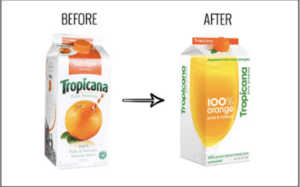
4. Marketing mix mis-steps: Tropicana suffered when they drastically redesigned their orange-with-a-straw packaging. Consumers hated this. Sales dropped 20% in under two months, and PepsiCo rapidly reverted to the old pack.
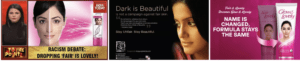
5. Cultural trend conflicts: Fair & Lovely’s ads had, for decades, implied “fair skin = success & beauty”. While consumer anger was hotting up over decades, it boiled over 6 years ago with activist campaigns and public criticism. NGOs and celebrities campaigned against fairness ads. In 2020, Unilever rebranded Fair & Lovely to “Glow & Lovely”.
6. Customer service failures: In 2017, United Airlines forcibly removed passenger Dr. David Dao from an overbooked flight, an act caught on camera by several shocked co-passengers. Market capitalisation dropped nearly $1 billion within 24 hours. The hashtag #BoycottUnited trended globally with over 1.2 million tweets in 2 days. Purchase consideration reportedly dropped from 34% to 22% within a week.
7. Celebrity spillover: Snapdeal’s brand ambassador Aamir Khan commented in an interview that India was becoming intolerant. Nationalistic consumers reacted violently with a #BoycottSnapdeal campaign, demanding that the brand drop him as the ambassador. Users posted screenshots of uninstalling the Snapdeal app. Play Store ratings dropped significantly. Snapdeal eventually did not renew Aamir Khan’s endorsement contract.

3. Managing Brand Hate
The first and best way to manage brand hate is to avoid it breaking out in the first place. Strategies to do this could include:
- Continuous value alignment and brand consistency reduce the risk of moral dissonance
- Monitoring anti-brand communities to serve as an early warning system
If brand hate does unfortunately start to grow, one mistake to avoid is handling the criticism defensively. This can often lead to an escalation of the hate! The key is early acknowledgement and empathetic response. Authentic acknowledgment, coupled with corrective action, can help recover reputation.
In conclusion, when brands break trust, betray their core users or cross a cultural line, dislike can quickly turn into active brand hate. First, work hard to stop hate flaring up in the first place by staying close to consumer expectations, protecting product trust and keeping your brand actions aligned with what made you famous. Second, if a crisis does hit, acknowledge the issue early, show genuine empathy and back words with corrective action.
